Course Notion
This course uses an incremental, embodied learning structure—prioritizing tool fluency early in order to support deeper conceptual and experiential design in later stages.
Designed and piloted the course structure in its first iteration in 2024; the framework continues to be implemented across other sections in subsequent years.
︎ Core Lab Environments S24︎︎︎
︎ Core Lab Environments S25︎︎︎
︎ Core Lab Environments S26︎︎︎
Learning Structure
Below information is the documentation of Lab Environment S24
︎
︎
Unity, MadMapper, TouchDesigner, 3D Scanning Tools, Crafting tools
︎
Experience Design, Experiential Design, Interaction Design, Environment Design, Installation, XR, AI, 3D design, Projection Mapping,
Experience Design, Experiential Design, Interaction Design, Environment Design, Installation, XR, AI, 3D design, Projection Mapping,

Image Credit: Graphic courtesy of Jack Ji, Student
The CT Environments course is intentionally structured as an incremental learning system, designed to balance technical fluency with embodied and experiential understanding.
In the first half of the semester, Projects 1 and 2 focus on tool literacy and foundational skills, particularly in Unity and spatial prototyping. Conceptual themes are introduced lightly during this phase, allowing students to learn through making, experimentation, and workshops without cognitive overload.
This early emphasis on tools is not meant to separate technique from concept, but to ground conceptual thinking in bodily, spatial, and interactive experience. By stabilizing technical confidence first, students are better prepared to engage in deeper conceptual and structural design later in the course.
More significant conceptual development begins in Project 3, where students design spatial structures and environments with intentional experiential frameworks. At this stage, technical skills function as a support system rather than a barrier, enabling students to articulate complex ideas through space, interaction, and installation.
In the first half of the semester, Projects 1 and 2 focus on tool literacy and foundational skills, particularly in Unity and spatial prototyping. Conceptual themes are introduced lightly during this phase, allowing students to learn through making, experimentation, and workshops without cognitive overload.
This early emphasis on tools is not meant to separate technique from concept, but to ground conceptual thinking in bodily, spatial, and interactive experience. By stabilizing technical confidence first, students are better prepared to engage in deeper conceptual and structural design later in the course.
More significant conceptual development begins in Project 3, where students design spatial structures and environments with intentional experiential frameworks. At this stage, technical skills function as a support system rather than a barrier, enabling students to articulate complex ideas through space, interaction, and installation.
Exercise: Unity Physics, Rube Goldberg Machine
︎ Exercise Brief: Rube Goldberg Machine Course Notion
︎ Exercise Brief: Rube Goldberg Machine Course Notion
Mini Project
︎ Mini Project Brief: Course Notion
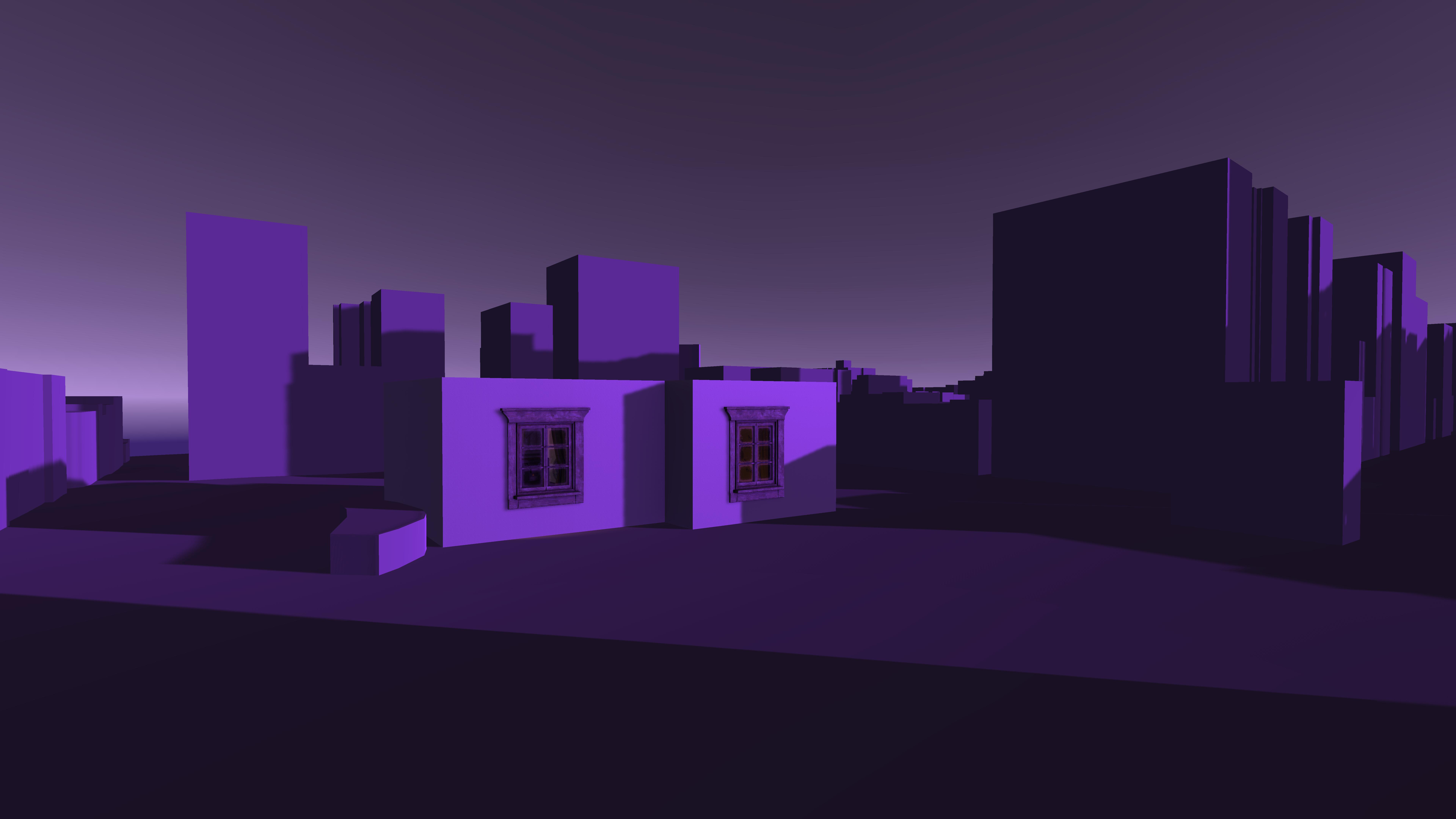
Create an envionment in Unity using visual elements that consist envirnments including lighting, and audio elements
︎ Mini Project Brief: Course Notion
Create an envionment in Unity using visual elements that consist envirnments including lighting, and audio elements
Final: Deconstruct and reconstruct Environemnts
Virtual & physical space building
︎︎︎︎Group Project Course Notion
Virtual & physical space building
︎︎︎︎Group Project Course Notion
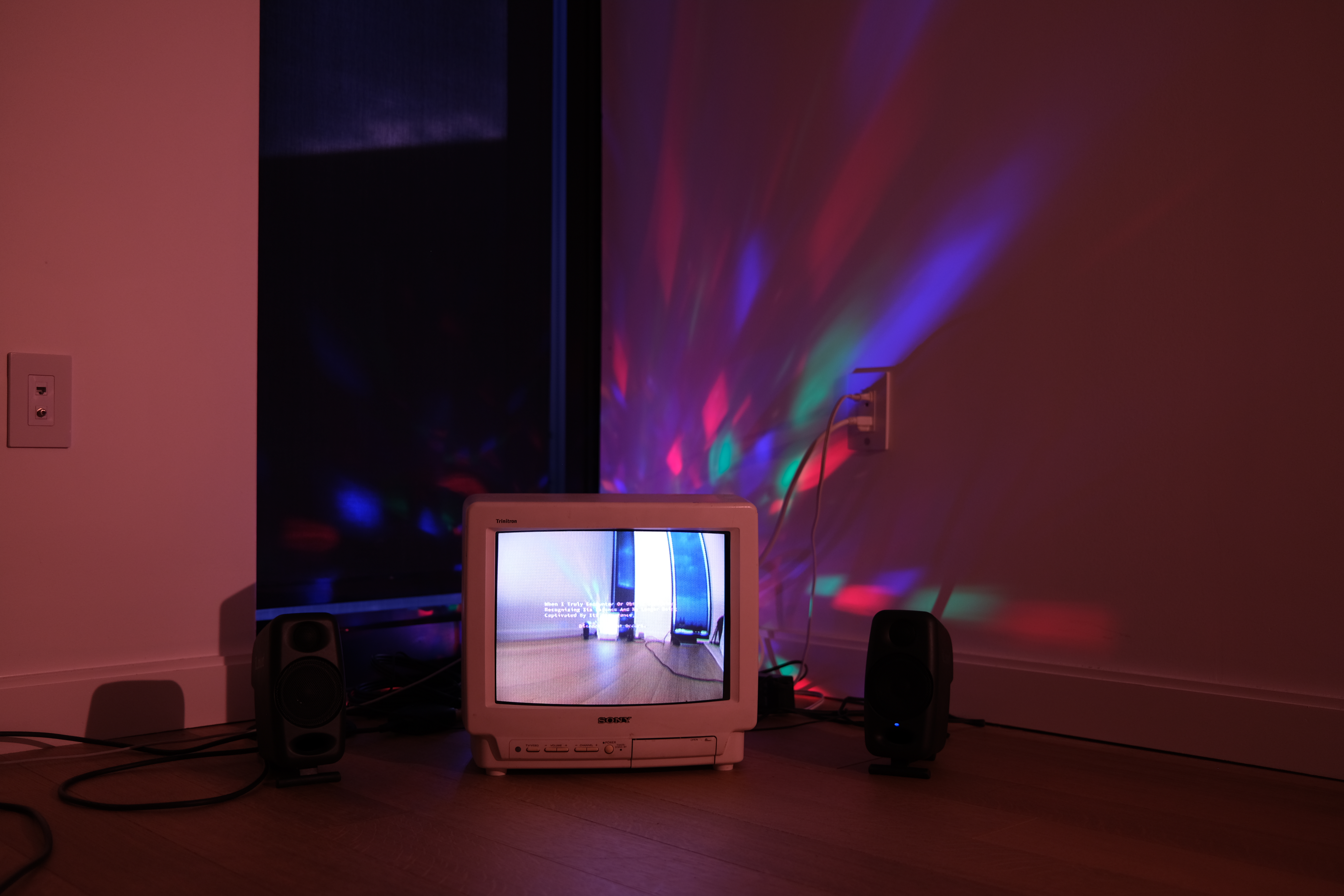


Group Project Gallery: 6 Groups
︎︎︎Group 1: Flora and Ryan


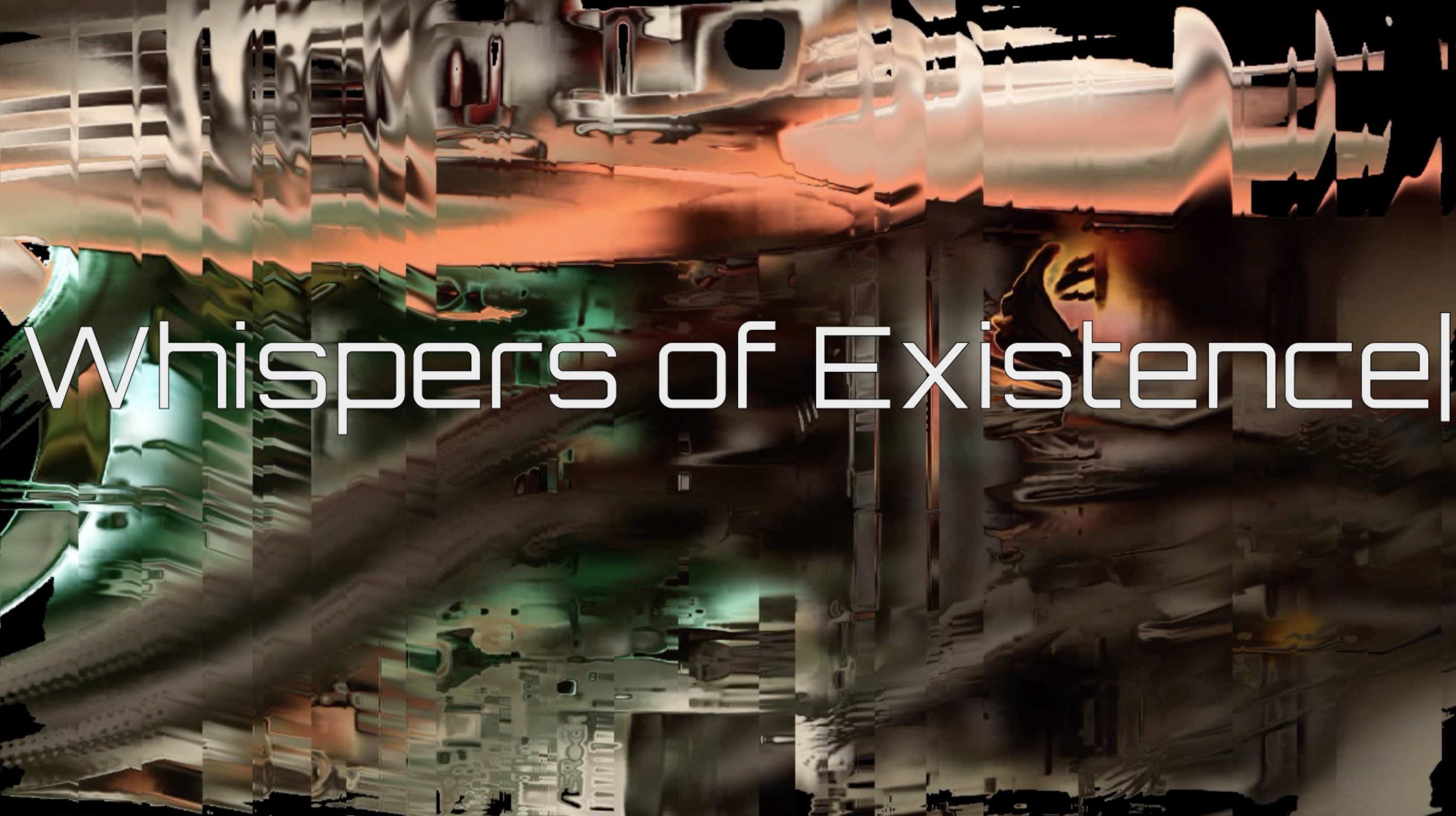

Installtion
Environment Design in Unity
Paper Prototype
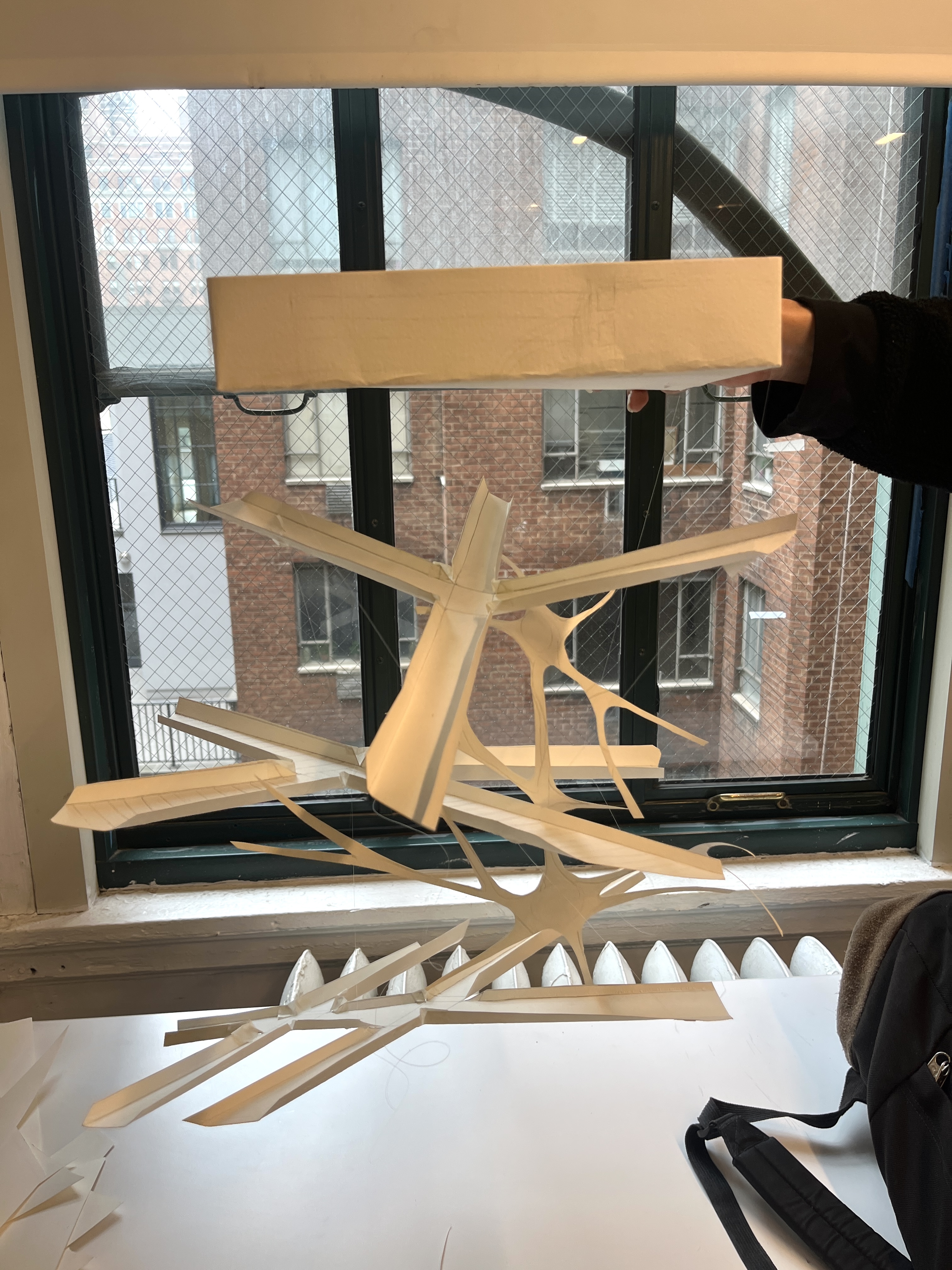
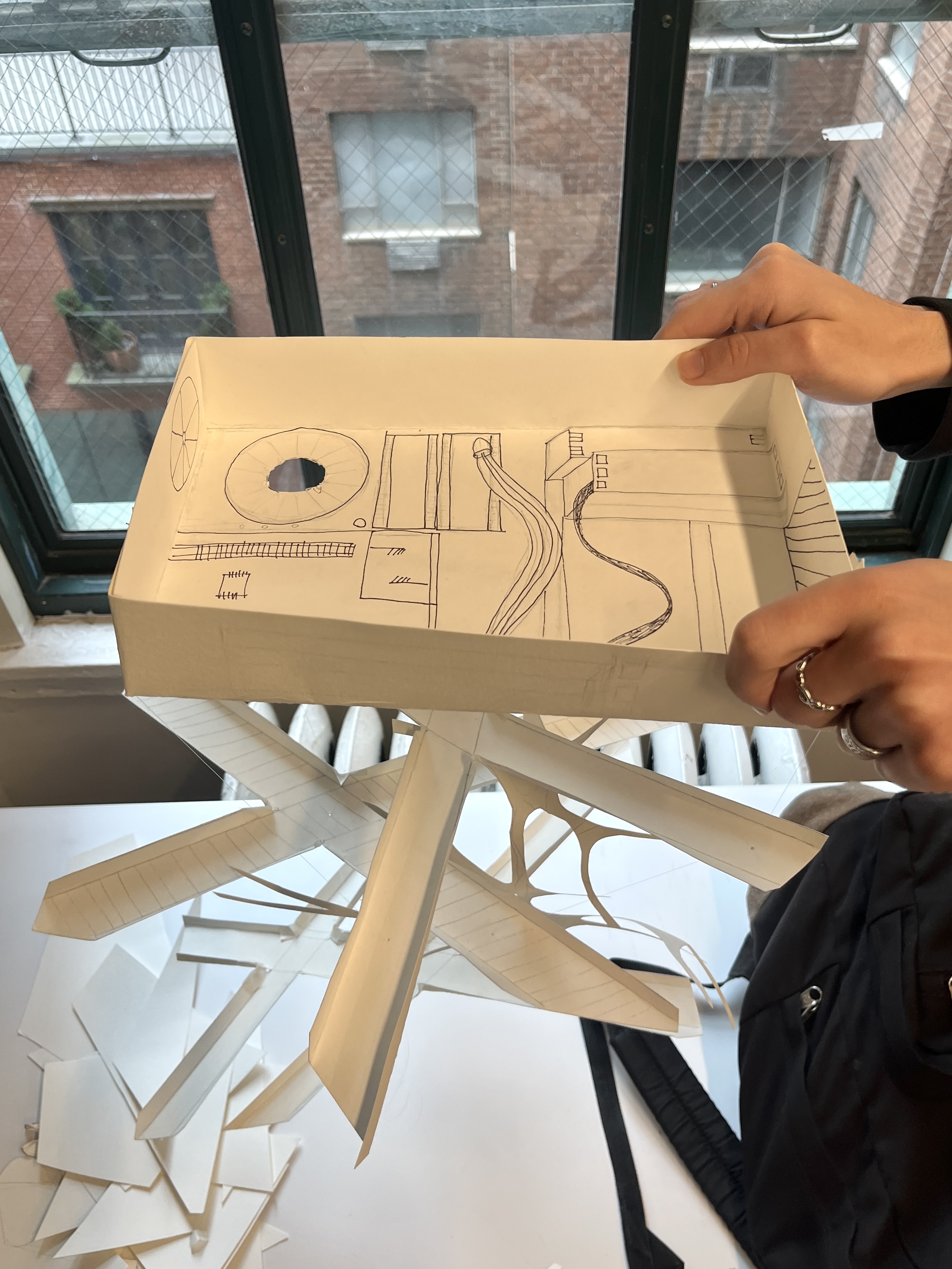
︎︎︎ Group 2: Jack and JiaZhan
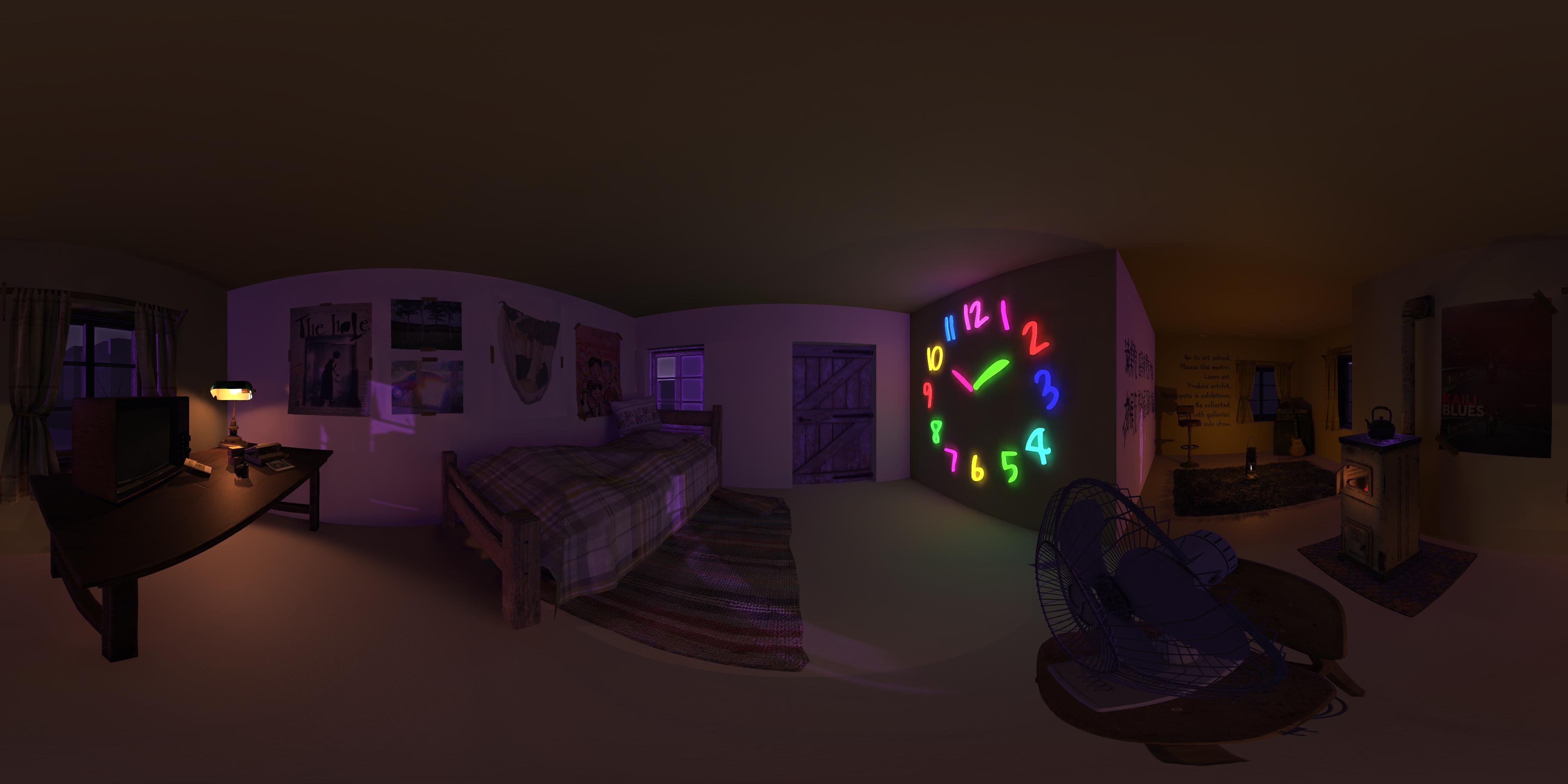
360
Installation
Scene Details
![]()
![]()
![]()
![]()
![]()
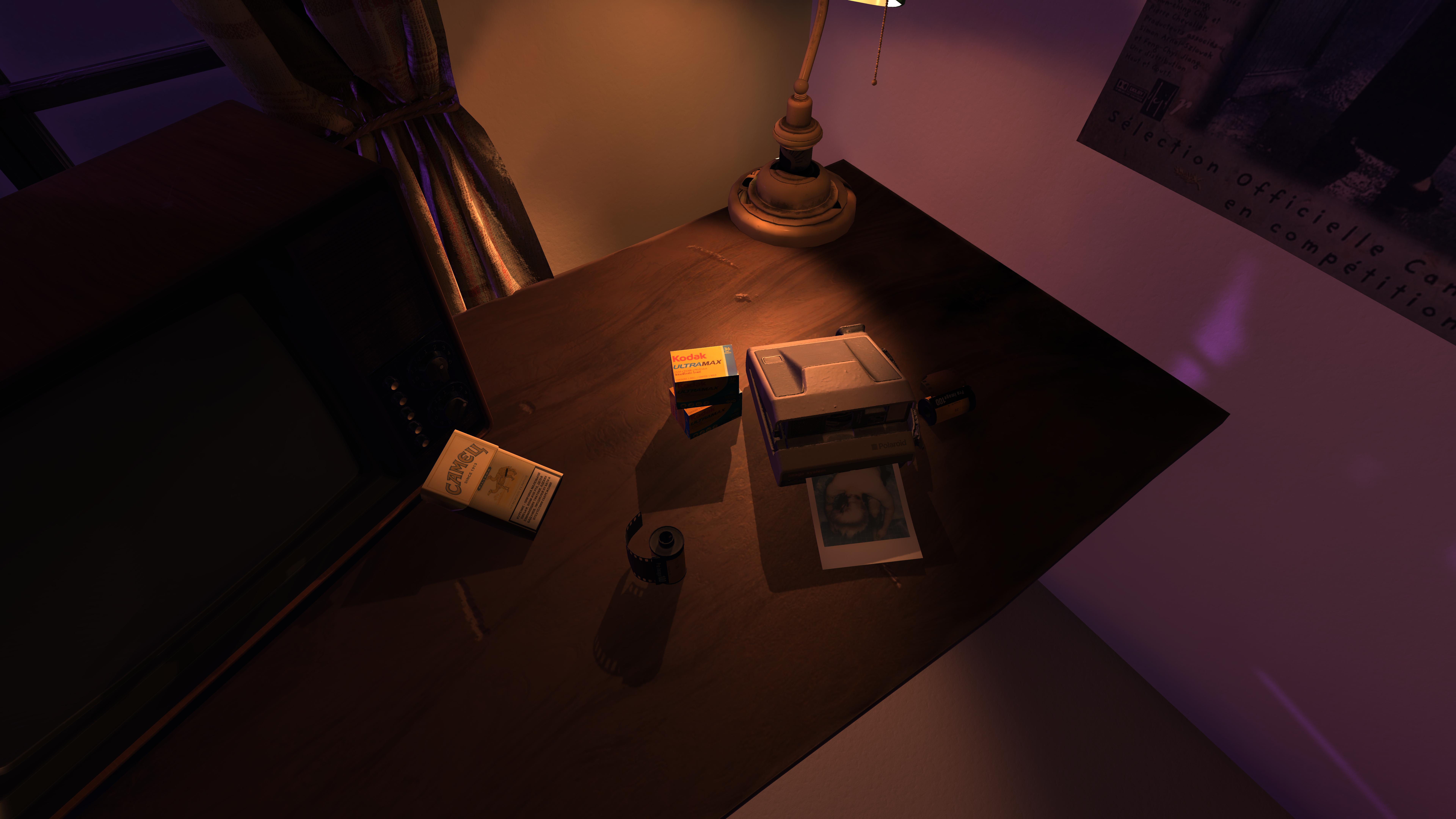

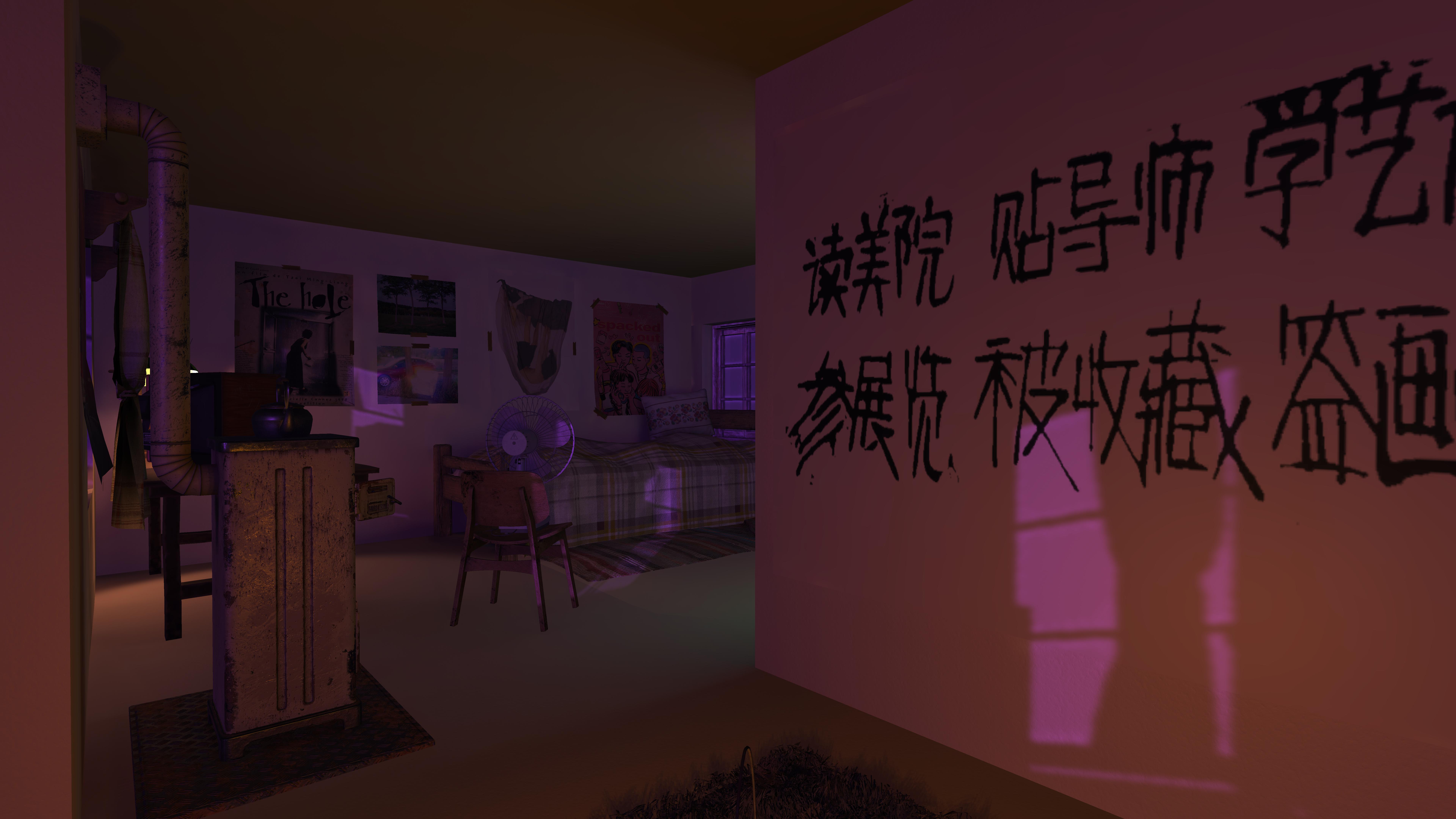
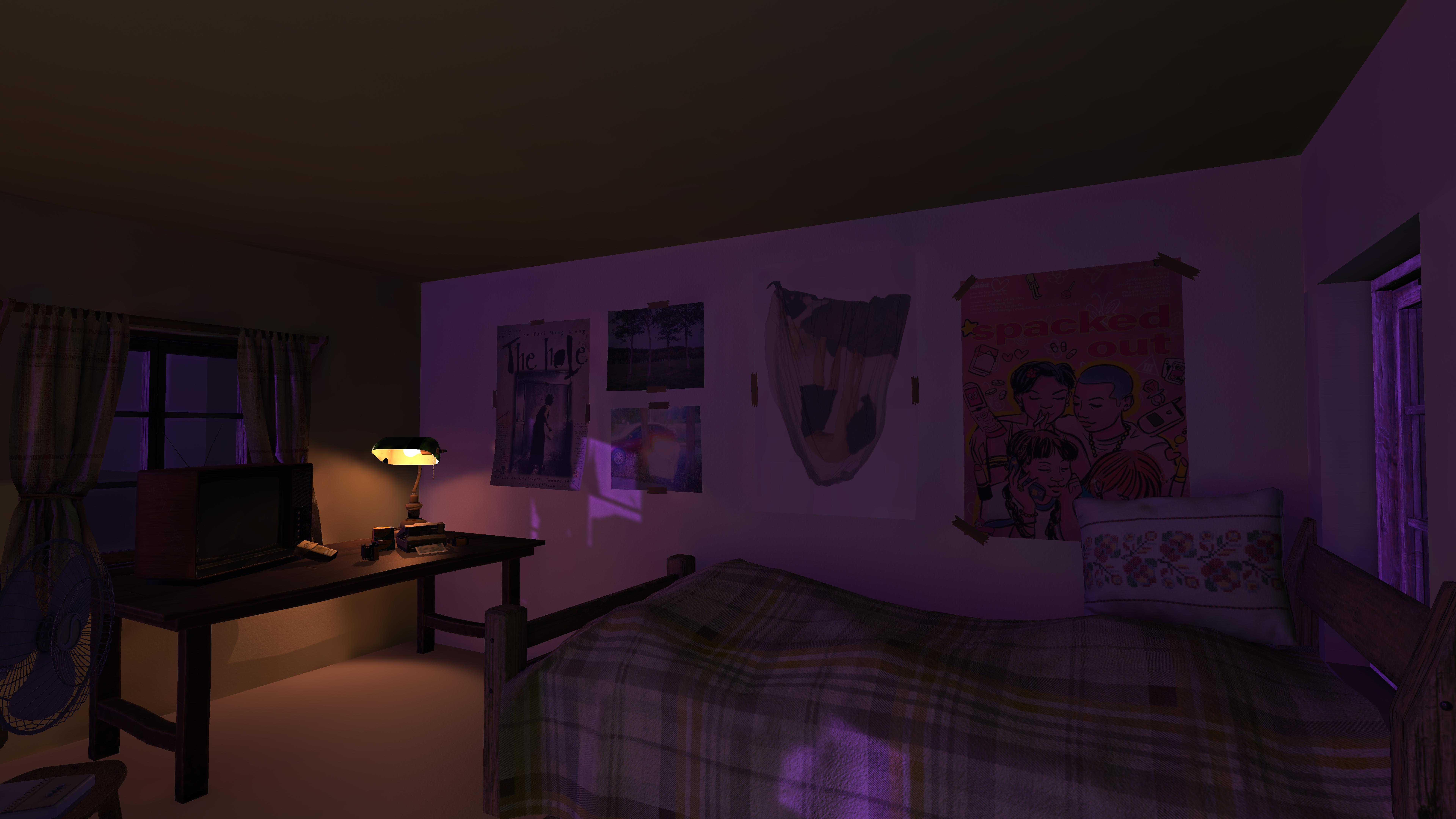
︎︎︎ Group 3: Jaiden and Malik
︎︎︎ Group 4: Enk and Andrew